At my wedding, my mother-in-law said she objected to our marriage because she didn’t think I was good enough for her son. Hearing this, my horrified father-in-law stood up and said, “Diane, sit down before you embarrass us even more. You’ve said enough.”
The room went silent. You could hear the clink of a fork falling somewhere near the dessert table. My heart was pounding, and I glanced at Ethan—my soon-to-be husband—whose face was pale, his jaw clenched. I didn’t know what to do, so I stood there, my bouquet trembling in my hands, wondering if I should walk out or scream.
But Ethan reached for my hand. He didn’t say anything. Just held it.
Then his father spoke again, loud enough for everyone to hear. “We raised our son to choose love, not a résumé. And if this young woman makes him happy, then she’s good enough. More than good enough.”
I’ll never forget the look on Diane’s face. It wasn’t rage. It was something else. A mix of disbelief and, maybe for the first time, realization. She sank back into her chair and looked away.
I wanted to cry. Not because of what she said, but because I felt seen, finally, by someone in that family.
The rest of the ceremony moved on, shakily at first. Everyone pretended to be normal, and eventually the tension eased. People danced, laughed, toasted. But the damage was done. Her words lived in my head rent-free.
For the first few months of marriage, I tried to win Diane over. I baked for her. I sent her flowers on her birthday. I complimented her relentlessly. I smiled through her backhanded remarks and passive-aggressive comments.
“Oh, that’s an… interesting dress,” she’d say at family dinners.
Or, “I guess Ethan likes simple meals,” after tasting my lasagna.
I laughed it off every time, but at home, I cried. Ethan told me to ignore her. “She’ll come around,” he’d say. But I knew better.
One day, about six months in, we were invited to a family BBQ at Diane and Greg’s house. I had half a mind to fake a cold, but Ethan insisted. “It’ll be quick,” he promised. “Just burgers and small talk.”
We got there, and she was already on edge. Complained about the weather, the grill, even the dog barking next door. As I was setting out plates, I overheard her whispering to Ethan’s cousin, “She’s just not wife material. I had better hopes for Ethan. Someone with… polish.”
That was it. I couldn’t do it anymore. I excused myself to the bathroom, locked the door, and sat on the edge of the tub, shaking.
I wasn’t sure if I was angry or just tired.
That night, I told Ethan I was done trying. “She doesn’t want to like me. And I won’t beg for her approval.”
He didn’t argue. He just wrapped his arms around me and said, “We’ll love each other enough for two families.”
So I stopped reaching out. I’d show up at family events, polite but distant. No more extra effort. If she asked something, I’d answer. But I wasn’t bending backward anymore.
Then something unexpected happened.
A year later, Diane had a stroke.
It wasn’t fatal, thank God, but it left her weak and with slurred speech. She needed help around the house. Greg was too busy with work, and Ethan’s siblings lived out of state.
Ethan and I had just bought our first home ten minutes from her.
You’d think I’d feel satisfaction. Karma, right?
But I didn’t.
When Ethan asked if we could help her, even temporarily, I didn’t hesitate. “Of course,” I said.
We went over that weekend, and I saw her sitting in the living room, looking smaller than I’d ever seen her. Her hair unbrushed, her clothes loose. She tried to speak but only got out a few garbled words.
I knelt beside her and smiled. “Hi, Diane. We’re here.”
She looked at me and started to cry.
For the next three months, I cooked her meals. Cleaned her bathroom. Organized her medications. I brought her magazines, sat with her during her rehab exercises, and tried to understand her speech when others wouldn’t even try.
At first, she resisted. She’d shoo me off, mutter under her breath. But over time, something shifted.
One afternoon, as I was helping her put on her slippers, she touched my hand gently and whispered, “Thank… you.”
Two words. But they meant everything.
From that moment, she changed.
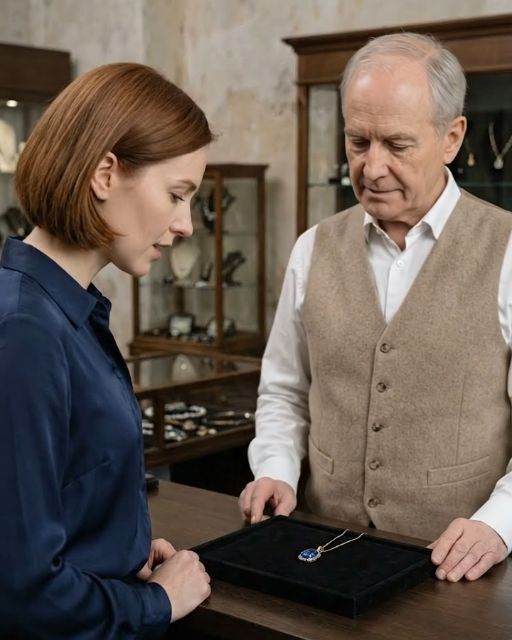
She started asking about my day. Complimented my cooking. Asked for help styling her hair. Even insisted I take home her mother’s necklace “because it would look better on you than in a box.”
Ethan noticed it, too. “I think she sees you now,” he said one night as we washed dishes. “Really sees you.”
I didn’t say anything, but part of me still guarded my heart. I’d been burned before.
Then came the twist no one saw coming.
Two weeks after she started walking again without assistance, Greg packed his bags and left.
Just like that.
He said he needed space. Said he felt “invisible” and “forgotten.” That helping her recover had become my job, not his.
Diane was shattered.
For a woman who’d always prided herself on keeping a perfect family, it broke her.
She called me, sobbing, asking if she could come stay with us for a while. I said yes. And that night, as we made up the guest room, Ethan turned to me and said, “I never imagined this is where life would take us.”
Diane stayed with us for nearly five months.
During that time, we became… friends. Not best friends. Not mother-daughter level. But there was warmth. Mutual respect. We’d drink tea together. Watch cheesy shows. She’d ask me for advice about texting Greg. I never gloated. Never threw her past words back at her.
I didn’t need to.
She knew.
One evening, we were sitting on the porch, and she said, “I was wrong about you.”
I looked at her, surprised she brought it up.
She continued, “I thought love had to look a certain way. That families had to fit into little boxes. But life doesn’t work like that. You loved me when I gave you every reason not to. You’re the kind of woman I wish I had been.”
I didn’t cry. But my throat tightened.
We sat there in silence for a while, the crickets chirping around us.
She eventually moved into her own place across town. Greg never came back. She started therapy. Began painting again. And every Sunday, she invited us over for dinner. No jabs, no judgment. Just lasagna, laughs, and her new rescue dog, Max, stealing chicken from the table.
It’s been four years since the wedding.
Ethan and I now have a daughter, Ava.
Diane dotes on her. Knits her little hats. Comes to every ballet recital, every birthday party. She even jokes that Ava got her sass “from grandma’s side.”
I still think back to that wedding day.
How broken I felt. How small her words made me feel.
But if I had walked away, if I had let bitterness win, I would’ve never seen this version of her. The softened, humbled, real version.
The version who laughs easily. Who admits when she’s wrong. Who brings me sunflowers just because they remind her of me.
Life has a funny way of working things out.
Not always in grand, movie-worthy ways.
Sometimes the twist is quiet. A whispered “thank you.” A changed heart. A second chance you never expected.
I learned something important through all this.
People aren’t always who they seem at first. Some are hardened by fear, pride, or past hurt. But love—steady, patient love—has the power to soften even the toughest shells.
That doesn’t mean you have to stay where you’re hurt. It doesn’t mean accepting abuse. But it does mean knowing when to open your heart, just a crack, to let grace in.
Because sometimes, grace isn’t about getting what you deserve.
It’s about giving what you didn’t get.
So if you’re reading this and there’s someone in your life who’s difficult, who’s never seen your worth—remember this:
You don’t have to prove anything to anyone.
Just live in a way that speaks for itself.
Let your kindness echo louder than their doubts.
And trust that, one day, life will bring the right twist.
One that rewards your patience, your character, your love.
If this story touched you, take a moment to like and share it.
You never know who needs to read this today.