My boss demanded written approval for every purchase, even a 50-cent stamp. His name was Mr. Sterling, a man who treated the company budget like it was his own personal inheritance being stolen by thieves. We worked in a mid-sized accounting firm in Birmingham, and for years, we’d had a petty cash drawer for small things like milk for tea or emergency stationery. But after a slightly down quarter, Sterling snapped and implemented a “Zero-Leakage Policy” that required a digital paper trail for every single cent spent.
Two days later, the office ran out of toilet paper. I noticed it first thing in the morning when I went to the supply closet to restock the stalls. Usually, I’d just nip out to the corner shop, buy a pack, and get reimbursed later, but the new rules were crystal clear. I remembered Sterling’s face turning purple the day before when someone bought a pack of staples without a signed PO, so I decided to follow his instructions to the letter.
I emailed a formal request for an $8 pack of 12 rolls. I CC’d the HR manager and the floor supervisor, just to be safe and ensure the “proper channels” were being respected. I titled the email “URGENT: CRITICAL SANITATION SUPPLY PROCUREMENT” and waited for the notification to pop up on my screen. I figured he’d see the absurdity of it and just tell me to go buy the damn paper, but Sterling prided himself on “deep work” sessions where he ignored everyone.
He didn’t check his email for six hours. By noon, the whispers started circulating around the cubicles like a wildfire. People were walking to the restrooms and coming back with looks of sheer panic on their faces. I sat at my desk, quietly working on my spreadsheets, watching the chaos unfold with a strange sense of calm. My coworker, Arthur, leaned over his partition and asked if I had any tissues in my bag, his voice cracking with desperation.
By 3 PM, people used paper towels from the breakroom. It was a grim sight, seeing grown professional accountants scurrying down the hall with handfuls of rough, brown recycled paper. The plumbing in our building was older than the city council, and I knew exactly what was going to happen next. I sent a follow-up email to Sterling: “RE: URGENT. Paper towel usage in restrooms may lead to significant plumbing infrastructure failure. Awaiting approval for 12-pack.”
By 5 PM, the pipes finally gave up the ghost. A low, rhythmic thumping started in the walls, followed by a sound like a small explosion coming from the men’s room. A dark, slow-moving puddle began to seep out from under the restroom door and across the plush blue carpet of the main hallway. The smell hit us seconds later—a damp, earthy, and unmistakable scent of a building that had been pushed too far.
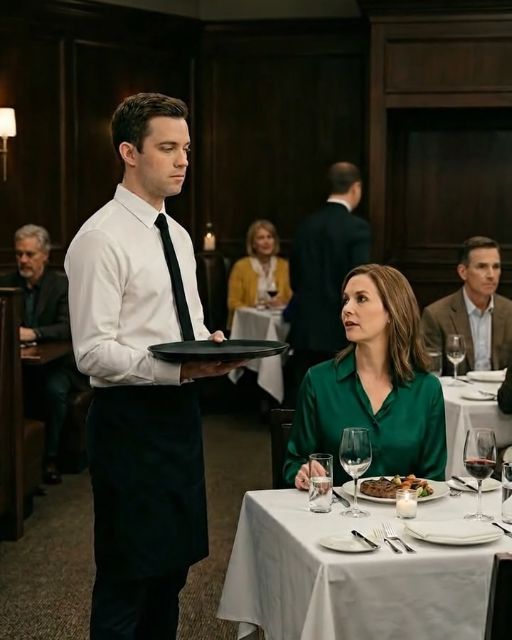
Sterling finally emerged from his office, looking refreshed and pleased with his “productive” day. He stopped dead in his tracks when he stepped into the puddle, his expensive leather loafers soaking up the mess. “What on earth is happening?” he roared, waving his arms at the brown stains climbing the drywall. I didn’t say a word; I just printed out the timestamped copies of my four unread emails and handed them to him on a silver tray I found in the breakroom.
He stared at the requests for the $8 pack of toilet paper, then at the flooded hallway, and then back at me. I could see the gears turning in his head, realizing that his obsession with fifty-cent stamps had just caused about fifteen thousand dollars in property damage. The office was evacuated ten minutes later because the smell was becoming toxic, and the plumbing was officially declared a biohazard. We all stood in the parking lot in the drizzling rain, watching the emergency repair vans pull in with their flashing lights.
I thought I was going to be fired for being a smart-alec, but the floor supervisor, a quiet woman named Beatrice, walked up to me in the rain. She wasn’t angry; she was smiling, a real, genuine grin that made her eyes crinkle. “That was the most beautiful thing I’ve ever seen, Arthur,” she whispered, handing me a thermos of hot coffee. It turned out she had been documenting Sterling’s irrational behavior for months to the board of directors.
She told me that the board had been looking for a reason to remove Sterling, but they needed proof that his management style was actually damaging the company’s assets. My emails, timestamped and filed through the official company server, were the “smoking gun” they needed. I hadn’t just caused a flood; I had provided the legal evidence required to prove “gross managerial incompetence.” Sterling wasn’t just in trouble for the plumbing; he was in trouble for the systemic breakdown of office operations.
A week later, we were all allowed back into the renovated, freshly carpeted office. We were called into the conference room, expecting to see Sterling at the head of the table with a new set of even stricter rules. Instead, we found a man from the head office in London who introduced himself as our interim director. He announced that Sterling had been “pursuing other opportunities” and that the Zero-Leakage Policy was officially dead.
But then he looked at me and asked me to stand up. My heart sank, thinking the board had decided to clean house entirely, including the “troublemaker” who started the toilet paper war. Instead, he thanked me for my “commitment to procedural integrity under pressure.” He explained that the board was impressed by my ability to follow protocols even when they were clearly failing, and they wanted me to help draft the new, more sensible office budget.
The rewarding conclusion was more than just a promotion or a bit of extra money in my paycheck. It was the feeling of walking into the restroom and seeing a fully stocked shelf of the softest, most expensive quilted toilet paper money could buy. We even got the petty cash drawer back, and Beatrice was promoted to permanent office manager. The air in the office felt lighter, the typing wasn’t as aggressive, and the heavy sighs were replaced by actual conversations.
I learned that sometimes, the only way to show someone how broken their system is is to follow it perfectly. We spend so much of our lives trying to “fix” things or find workarounds for bad bosses and silly rules, but all we’re doing is enabling the dysfunction to continue. By refusing to break the rules, I forced the rules to break themselves. It was a lesson in the power of standing your ground and letting the consequences of a bad decision fall exactly where they belong.
Malicious compliance sounds like a negative thing, but in a toxic environment, it’s often the only form of honesty that actually works. You shouldn’t have to set yourself on fire to keep someone else’s bad ideas warm. If a system is designed to fail, let it fail spectacularly so that something better can be built in its place. I’m just glad I had the patience to wait for that $8 approval, even if it meant the carpet didn’t survive the afternoon.
I’m much happier now, working in a place where I don’t have to ask for permission to be a human being. We have a “Common Sense” policy now, which basically means if something needs doing, we do it and trust each other to be adults. It turns out that when you treat people like professionals, they actually act like them. Sterling taught me how not to lead, and the toilet paper flood taught me that the truth always comes out, one way or another.
If this story reminded you that you don’t have to put up with toxic management or ridiculous rules, please share and like this post. Sometimes the best way to change a situation is to let it play out exactly how the person in charge intended. Have you ever had to deal with a boss who cared more about the cents than the sense? I’d love to help you figure out a professional way to handle your own “Zero-Leakage” situation at work!