My husband died suddenly, while he was traveling for work. One minute I was texting him about what to have for dinner when he got back to our flat in Manchester, and the next, I was getting a call from a hospital in Chicago. Callum was gone, a freak heart thing they said happened in his sleep, and just like that, the world stopped making any sense. I was a widow at thirty-four, standing in our kitchen with a half-chopped onion and a life that had just been deleted.
Between the paperwork of bringing his body home and the sheer, numb fog of grief, I had to find a place to lay him to rest. I called the local cemetery, and they told me they had one slot available before the ground froze and the holiday season halted everything. It was a Saturday, the eighteenth of November, and I took it without thinking twice because I just needed him home. I needed the finality of it so I could start the long process of falling apart in peace.
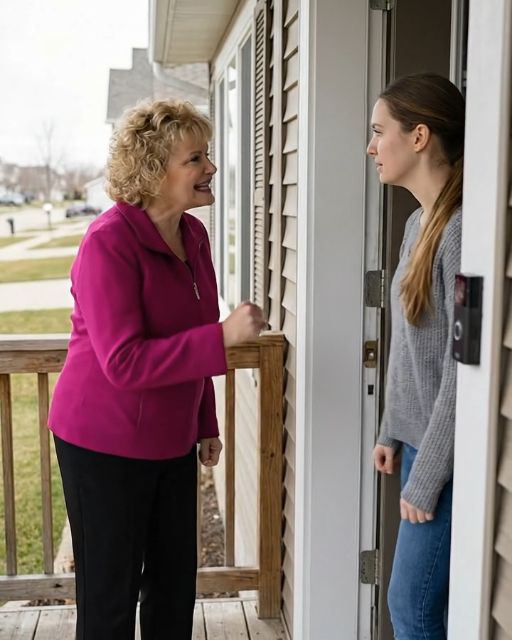
My cousin called ten minutes after I posted the service details for family, screaming, “This ruins my wedding day! No one’s gonna come.” Her name is Saffron, and she’s always lived life like she’s the lead actress in a movie where the rest of us are just poorly paid extras. She didn’t ask how I was doing or if I needed a meal; she just saw that my husband’s funeral coincided with her big day at a manor house three hours away. She told me I was being “calculating” and “attention-seeking” by picking that specific Saturday.
I told her I had no choice, that it was the only date the cemetery gave me, and that I wasn’t exactly in the mood to plan around her floral arrangements. She didn’t want to hear it, accusing me of trying to “steal her thunder” with a tragedy. “If you don’t change it, don’t expect any of the family to be there for you,” she spat before hanging up. I sat on the floor of my hallway, clutching the phone, feeling a level of loneliness that was almost physical.
Next day, my stomach dropped when I found out through a flurry of nasty Facebook messages that Saffron wasn’t just venting; she was actively campaigning. She had called our aunts, our uncles, and even our grandmother, telling them that I was “spitefully” trying to ruin her wedding. She told them Callum wouldn’t have wanted a “gloomy” day to overshadow a celebration of love. My heart felt like it was being squeezed by a cold hand when I realized that most of my relatives were actually siding with her to avoid the drama.
I spent the days leading up to the funeral in a state of quiet, hollow shock. I had a few close friends who stood by me, but the “family” I thought I could rely on was mostly silent. My phone, which used to buzz with messages from cousins, was now a graveyard of ignored notifications. I felt like I was burying my husband and my entire support system at the same time. It was a double mourning, a grief that felt far too heavy for one person to carry.
The Friday before the funeral, I was packing up Callum’s suitcase, the one the airline had finally sent back from his hotel in America. My hands were shaking as I pulled out his neatly folded shirts, still smelling like the laundry detergent we used at home. In the side pocket, tucked beneath a stack of receipts, I found a small, velvet jeweler’s box and a hand-written note on hotel stationery. My breath hitched as I opened it, expecting a “sorry I’m away” gift or an early anniversary present.
Inside the box wasn’t a necklace or a ring; it was a set of vintage, high-end cufflinks with a very specific engraving: “The Best Man.” The note next to it was addressed to me, but it wasn’t a love letter in the traditional sense. It said, “Hey babe, don’t tell Saffron yet, but I finally tracked down the designer she wanted for her groom’s gift. It cost a fortune, but seeing her face when she gives these to her man will be worth it. Can’t wait to be there for her big day with you.”
I stared at those cufflinks until my eyes blurred with hot, angry tears. Callum had spent his last few days alive in a foreign city, using his limited free time to hunt down a specific gift for the very cousin who was currently dragging his name through the mud. He cared about her wedding more than she cared about his life. He was planning to stand there and celebrate her, even though she’d always been a bit difficult to deal with.
I realized then that the “conflict” Saffron had created was a slap in the face to a man who had nothing but kindness for her. I wanted to call her and scream, to tell her what he’d done, but a part of me felt like she didn’t deserve the comfort of knowing he loved her. I put the box in my coat pocket and prepared for the hardest day of my life, feeling a strange, protective fire burning inside my chest.
The morning of the funeral was gray and drizzling, the kind of weather that makes everything look like a charcoal drawing. I stood at the graveside with only five people: my best friend, two of Callum’s coworkers, and my elderly neighbor. Not a single person from my side of the family showed up. They were all three hours away, drinking champagne and taking photos in a manor house while Callum was lowered into the earth.
After the service, I went back to the quiet, empty flat. The silence was loud, a ringing in my ears that wouldn’t stop. I looked at the “Best Man” cufflinks sitting on the kitchen table and I made a decision. I didn’t want them in my house, and I didn’t want them to represent a man whose kindness was thrown back in his face. I called a courier service and paid a ridiculous amount of money to have that small velvet box delivered directly to the bridal suite at Saffron’s wedding.
I didn’t include a long, angry letter or a list of grievances. I just tucked the original note Callum had written—the one about his excitement for her big day—inside the box and sent it off. I didn’t expect a reply, and I didn’t even know if she’d see it before the reception ended. I just wanted it out of my sight. I spent the rest of the evening sitting on my balcony, watching the rain, and trying to figure out how to be a person again.
Two hours later, my phone started blowing up. It wasn’t Saffron this time; it was my mother, followed by my Aunt Jane, and then my grandmother. They were all crying, their voices thick with shame and regret. Saffron had opened the box in front of everyone while they were getting ready for the dinner. She had read the note aloud, and the entire room had gone silent as the weight of what they had done crashed down on them.
The “celebration” had turned into a wake. My family realized that while they were busy “avoiding the drama” and picking the fun event, they had abandoned a woman whose husband was literally working for their happiness until his last breath. Saffron had apparently locked herself in the bathroom, hysterical with guilt, realizing that the “attention-seeker” she’d maligned was actually her biggest supporter. They all wanted to come over, to apologize, to make it right.
I told them no. I told them that the time for support was at ten in the morning at the cemetery, not at eight at night when they felt guilty. I realized that Callum’s final gift wasn’t the cufflinks; it was the truth. He had shown me, even from the grave, exactly who was worth my time and who wasn’t. The “reward” wasn’t an apology; it was the clarity that comes when the people who don’t truly love you finally reveal themselves.
I spent the next year rebuilding my life, but I did it with a much smaller circle of people. I moved to a different part of the city, started a new job, and made peace with the silence. Saffron sent letters, and my aunts tried to visit, but some bridges are meant to be burned so you can’t walk back into the fire. I kept the memory of Callum’s kindness, but I learned to be much more careful about who I shared my own heart with.
Grief is a master teacher, and it often uses the people around you to show you the lessons you weren’t ready to learn. You don’t know who is really in your corner until the lights go out and things get cold. True family isn’t determined by blood or a seat at a wedding table; it’s determined by who shows up when there’s nothing to celebrate.
I learned that you can’t force people to have a heart, and you shouldn’t have to beg for the basic decency of a goodbye. My husband was a good man who died with a secret act of love in his pocket, and I will spend the rest of my life trying to live up to that kind of grace. But I will also spend it making sure I never waste my energy on people who see a funeral as a scheduling conflict.
If this story reminded you to cherish the people who actually show up for the hard stuff, please share and like this post. We all have a “Saffron” in our lives, and sometimes we need a reminder that it’s okay to let them go. I’d love to hear your thoughts—have you ever had a moment where a tragedy showed you someone’s true colors? Would you like me to help you navigate a difficult family situation where you feel like you’re not being heard?